


Pet Doctor Care games for kids
4.594.00 Reviews
App Specs
- Version
- 1.54
- Updated On
- License
- Free
- Downloads
- 1,000,000+
- Developer
- Pazu Games
- Categories
- Educational
- Platform
- Android
Screenshots
 Analysis by AppCompare
I like the idea of a child turning a little screen-time break into a chance to care for an animal, and that is the appeal I see in Pet Doctor Care. It is a veterinary role-play game for kids from Pazu Games, built around helping virtual pets rather than competing or chasing a score. That makes it an easy fit for a quiet moment at home, though I would treat it as imaginative play rather than a substitute for a real lesson in looking after an animal.
Who will enjoy this kind of play
The game is most likely to suit younger children who already enjoy pretend play, toy animals, or stories about helping others. A child can take on the caring role without needing to understand complicated rules, and the animal-care theme gives parents a natural way to talk about gentleness and noticing when a pet needs help. If your child prefers racing, building, or games with clear levels and goals, this slower nurturing style may not hold their attention for as long.
It can also work well as a shared activity. I would let a child lead while an adult asks simple questions: What do you think the animal needs? Which tool might help? How can we be gentle? That turns a few minutes of tapping into a conversation, without pretending the game teaches veterinary skills in depth. The useful takeaway is the habit of pausing to observe and respond, not learning to diagnose a real pet.
A practical way to fit it into the day
Imagine a child waiting for dinner while a parent finishes cooking. Pet Doctor Care can offer a focused bit of pretend play during that gap: choose an animal, work through its care, and then put the device away when dinner is ready. I find that sort of bounded use more realistic than expecting any children’s game to occupy a child indefinitely. A parent can set the stopping point in advance and use the pet-care theme as a natural ending: the animal has been helped, and now it is time to move on.
For a smoother first session, I would sit nearby at the start rather than hand over the device and assume every control will be obvious. Watch what the child can do independently, then step back if the interaction makes sense to them. This is a small but useful test of whether the game suits their age and patience. It also gives an adult a chance to notice whether the child treats the virtual tools as playful props, rather than taking the scenes as instructions for handling a real animal.
How it differs from other children’s games
Compared with a coloring app, this kind of play asks the child to respond to a situation rather than simply make an image. Compared with a fast arcade game, it puts the focus on care and completion instead of reflexes or high scores. That makes it a better match for a child who likes role-play, but a weaker choice for someone looking for a deep educational curriculum, open-ended creative tools, or a strong sense of progression.
Parents should also keep the distinction between theme and instruction clear. A cartoon treatment scene can prompt a helpful conversation about being kind to animals, but it is not a guide to real first aid. If a child asks what to do when a family pet is actually unwell, I would answer using sensible adult guidance and, when needed, contact a veterinarian rather than use a game as a reference.
Worth Reading Before You Choose

EA SPORTS FC Mobile 26 Is a Bigger Football Game, but It Takes Time

Flipboard Shows What News Apps Must Do Beyond the Feed

Switching to Android Auto Means Rethinking Your Driving Routine

Google Calendar Makes a Crowded Week Easier to Manage

Ludo King Makes the Most of the Minutes Between Plans

Baby Panda World Brings Quick Play to Modern Phones, but Its Game Library Feels Busy
What the purchase details mean in practice
The game is free to download, but it includes in-app purchases priced from $6.49 to $59.99 per item. That range is worth taking seriously before a child plays: I would check the device’s purchase settings and agree on a household rule about buying anything. The existence of purchases does not tell me what each item contains or whether a child needs one to enjoy the game, so I would not promise that every part is available at no cost. Try the free access first, then decide deliberately whether any purchase is worthwhile.
For a family, the key question is less whether a game has a purchase option and more whether the child can play without repeatedly asking to unlock something. If requests interrupt the session, that friction may outweigh the fun, especially for a young player who cannot judge spending. I would keep purchase approval with an adult and avoid handing over a payment-enabled device unsupervised.
Progress without pressure
Pet Doctor Care is not the kind of title I would choose for a child who needs a long chain of goals, a competitive challenge, or a demanding skill curve. Its appeal is the immediate pretend-care loop: notice an animal, interact with it, and enjoy the feeling of helping. That can be a strength when a child wants calm play, but it may also mean the game feels repetitive once the novelty of the animals and treatments wears off.
A practical tip is to treat it as one option in a small rotation rather than the only activity on a tablet. A short turn followed by drawing an imaginary pet, reading an animal story, or checking on a real household pet with an adult can keep the theme fresh without relying on more screen time. I would also avoid using it as a reward that must be earned; the game works best as light play, not as a source of pressure or a measure of how responsible a child is.
Fairness and the limits of what I can judge
This is a single-player-style care experience rather than a contest between children, so competitive fairness is not the main issue. There is no reason to compare one child’s performance with another’s; the more relevant concern is whether purchase options create an uneven experience between players. I can confirm that purchases are offered, but I cannot judge their exact effect on access or progression from that fact alone. For that reason, I would not describe the game as either pay-to-win or completely purchase-free.
The game is rated for Everyone, has a 4.6 average from around four thousand ratings, and has been installed over a million times. Those figures suggest it has found a broad audience, but they cannot tell me whether it will suit a particular child or family. It is free to start, and the current version is 1.54; it runs on Android 6.0 and later. Pazu Games released it on March 22, 2020, and it sits in the educational games category, though its learning is delivered through pretend care rather than a structured lesson.
My recommendation for families
Have you ever watched a kid play with stuffed animals, pretending they're doctors saving the day? Well, if that's a common scene at your house, then the Pet Doctor Care game might just become their new best friend. I recently got my hands on this delightful little app, and let me tell you, it’s like combining a veterinary clinic with the charm of a Saturday morning cartoon.
Gameplay and Features
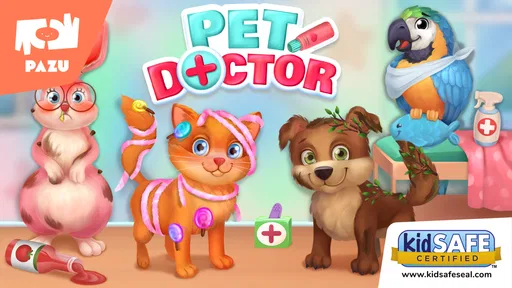
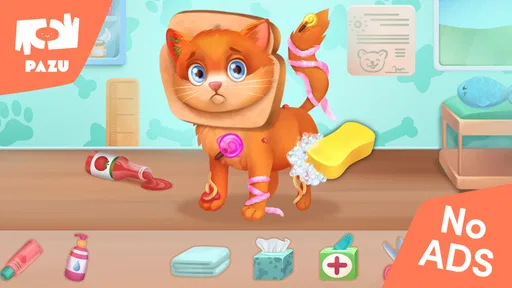
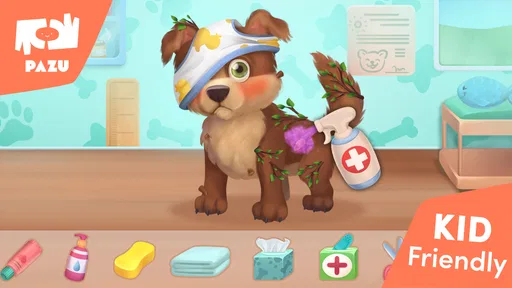
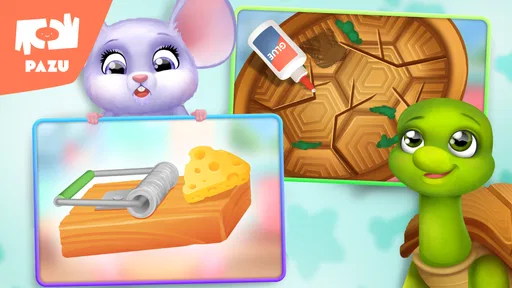
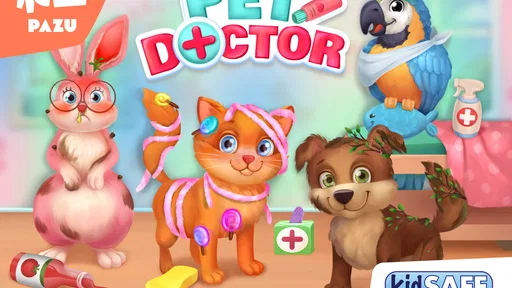
The first thing I noticed when diving into Pet Doctor Care was its vibrant and engaging graphics. The colors pop right off the screen, making each animal character come to life. From fluffy cats to playful puppies, every pet has its own personality and backstory. It’s not just about treating them; it’s about getting to know them too.
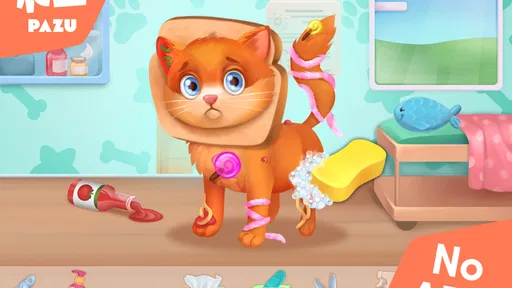
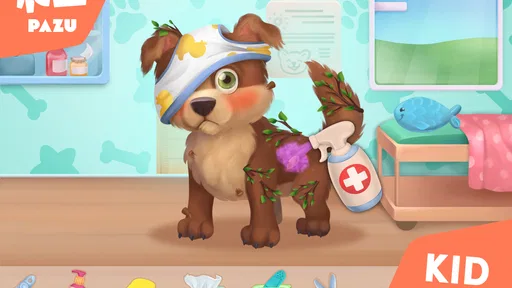
The gameplay is simple yet engaging. Kids get to step into the shoes of a pet doctor, diagnosing and treating various ailments that these adorable creatures come in with. Whether it's a bandaged paw or a runny nose, the game offers a wide array of medical tools and treatments. Each tool is explained in a kid-friendly way, ensuring that young players learn a bit about pet care while having fun.
Educational Value
What I love about Pet Doctor Care is its subtle educational value. It introduces kids to the basics of animal care without feeling like a textbook. It’s a perfect blend of education and entertainment. By teaching empathy and responsibility through interactive play, it’s a win-win for both kids and parents.
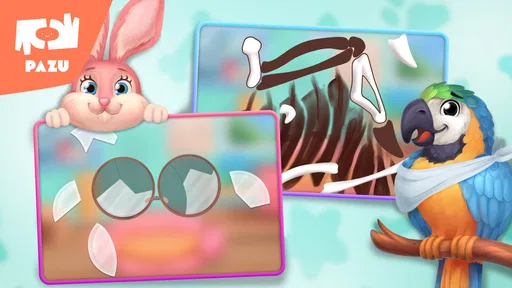
Plus, the game encourages problem-solving skills. Kids need to figure out what’s wrong with the pet and decide the best course of treatment. It’s like a mini detective game but with cuddly animals.
Kid-Friendly Design
As a parent, there’s always that concern about how suitable an app is for kids. Well, fret not! The developers of Pet Doctor Care have made it super kid-friendly. The interface is intuitive, making it easy for kids to navigate on their own.
The game is free to download, but it does offer in-app purchases, with individual items priced from $6.49 to $59.99. That means I would set a purchase rule before letting a child explore it: use the device’s purchase protections, explain that buying extras requires an adult, and try the free access first. I would also verify exactly what is being offered on the purchase screen before deciding, since the price range alone does not show what an item includes or whether it is needed for a particular child to enjoy the game.
The sounds and music are cheerful without being overwhelming. Each action in the game is accompanied by cute sound effects that add to the overall joyous experience. Imagine the sound of a squeaky toy or the giggle of a happy pet; it all adds up to a delightful auditory experience.
Why Kids Love It
Why are kids so drawn to this game? I think it’s the combination of being in control and the satisfaction of helping. There’s something incredibly rewarding about fixing up a pet and seeing it happy and healthy again. It taps into that innate desire to nurture and care that many kids have.
On top of that, the game keeps things fresh with regular updates. New pets and challenges are added periodically, which keeps the game exciting and engaging over time. It’s like getting a new toy every few weeks without the clutter!
Final Thoughts
All in all, Pet Doctor Care is a fantastic game for young kids. It’s not just a game; it’s an experience that combines fun, learning, and empathy in one neat package. If you’re looking for a game that your child will love and that you feel good about, this should definitely be on your download list.
So, if you’re ready to see your child smile as they save the day for their virtual pets, head over to the app store and give Pet Doctor Care a try. Who knows? You might even find yourself joining in on the fun!
Who may want a different kind of app
I would skip it if the main goal is a structured course with lessons, checkpoints, and measurable learning progress. The veterinary theme is appealing, but pretend play is not the same as a curriculum, and a child looking for detailed animal facts may get more from an age-appropriate book or a guided educational app. Likewise, a child who wants to draw, build, or make up stories freely may prefer a creative game that gives them more room to invent than a sequence of care interactions.
It is also worth considering how your child handles repetition. A simple care routine can be comforting for some kids and monotonous for others. If they tend to abandon games once they have seen the basic interaction, I would treat this as a short-session option rather than expecting it to become a lasting favorite. That is not a flaw for every household; it just changes the value of a download and makes it sensible to try the free version before paying for anything.
Small choices that make play more useful
One way I would get more from a session is to let the child explain their decisions aloud instead of telling them what to do. Asking, “What made you choose that?” encourages them to look closely and describe a problem, while still leaving the play in their hands. If the game presents a treatment step, I would keep questions playful and avoid turning it into a quiz. The point is to make room for curiosity, not to test whether a child remembers medical details.
I would also use the game to talk about the difference between a cartoon pet and a living animal. A child might assume every real animal can be handled in the same way as a character on screen; a quick reminder to ask an adult before touching an unfamiliar animal is more useful than letting the fantasy blur into real-world advice. This is a small bit of supervision, but it makes the caring theme more responsible.
Another practical trade-off is sound. The cheerful effects may make the experience lively, but they may not suit a quiet waiting room, a shared bedroom, or a moment when other people are concentrating. I would check the device’s sound before handing it over and choose a suitable setting for the situation. That simple preparation can prevent a pleasant game from becoming an unwanted distraction for everyone nearby.
Choosing it with realistic expectations
For a quick decision, I would ask three things: does the child enjoy animal role-play, are you comfortable managing optional spending, and are you looking for light engagement rather than a formal lesson? If the answers are yes, it is a reasonable game to try. If the child wants competitive goals, substantial creative freedom, or a reliable source of real pet-care instructions, I would choose something else. The game’s strengths are specific, and it is easier to appreciate them when it is not expected to do a different job.
My trust verdict is positive but measured. Pazu Games has made a child-friendly animal-care game with a clear theme and an accessible starting point, and the Everyone age rating is reassuring as a broad suitability signal. Still, that rating does not replace a parent’s own check of the experience, especially because in-app purchases are available. I would let a child explore with an adult nearby at first, keep purchases under adult control, and see whether the gentle treatment loop genuinely holds their interest. If it does, Pet Doctor Care can be a cheerful little role-play break; if not, there is no reason to push it beyond what it is.
Pros
- Engaging and educational gameplay.
- Colorful graphics appeal to kids.
- Simple controls easy for children.
- Teaches empathy and care skills.
- Variety of animals keeps interest.
Cons
- Limited replay value over time.
- In-app purchases can be costly.
- Requires internet for full features.
- Ads may interrupt gameplay.
- Some tasks are repetitive.
FAQs for Pet Doctor Care games for kids
What is the age range for Pet Doctor Care games for kids?
Pet Doctor Care games are designed for children aged 4 and up. The game features simple controls and engaging graphics that are suitable for young players. It offers educational content about animal care, making it both fun and informative for children in early developmental stages.
Are there in-app purchases in Pet Doctor Care games?
Yes, Pet Doctor Care games may include in-app purchases. These can range from additional tools and costumes for pets to unlocking new levels or characters. Parents are advised to monitor or disable in-app purchases to prevent unexpected charges, ensuring a safe gaming environment for their children.
Is an internet connection required to play Pet Doctor Care games?
Pet Doctor Care games can be played offline, making it convenient for travel or areas with limited connectivity. However, some features, like updates or accessing additional content, might require an internet connection. Playing offline ensures uninterrupted gameplay, especially for younger children.
What platforms are Pet Doctor Care games available on?
Pet Doctor Care games are available on both Android and iOS platforms. The game can be downloaded from the Google Play Store for Android devices and the Apple App Store for iOS devices. Ensure your device meets the minimum system requirements for optimal performance.
Is the Pet Doctor Care game educational for kids?
Yes, Pet Doctor Care games are designed to be educational. They teach children about the basics of animal care and empathy towards pets. Through interactive gameplay, kids learn how to diagnose and treat virtual pets, fostering a sense of responsibility and nurturing behavior.


